

Introduction
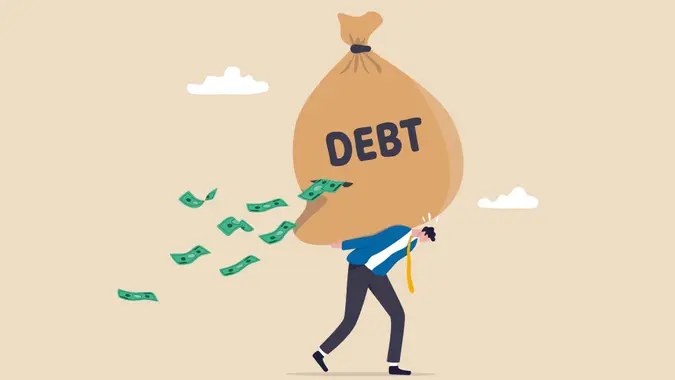
In today’s fast-paced financial world, taking loans has become a common part of life — for education, homes, business, or emergencies. But when debt becomes overwhelming, the emotional toll it takes is often overlooked. While financial strain is visible in numbers, the mental stress behind it remains hidden, slowly affecting a person’s well-being, relationships, and quality of life.
The Connection Between Debt and Mental Health
When someone is unable to repay a loan, it can trigger a chain reaction of anxiety, guilt, and fear. Here’s how:
1. Constant Stress and Anxiety
Late EMIs, calls from collection agents, and legal notices create a constant state of panic. This stress doesn’t disappear after work hours — it follows the borrower 24/7.
2. Shame and Guilt
Many people feel a deep sense of personal failure when they cannot repay their loans. This can lead to low self-esteem, depression, and isolation from family and friends.
3. Relationship Strain
Money problems can lead to arguments and mistrust within families and relationships. Financial secrets or blaming each other only worsens the emotional distance.
4. Sleep Problems
Debt-related stress often leads to insomnia or poor-quality sleep. Without proper rest, the mind and body can’t function properly, making it even harder to tackle problems.
5. Risk of Depression and Suicidal Thoughts
In severe cases, prolonged debt stress can lead to clinical depression or suicidal ideation. This is especially true in situations where borrowers feel trapped or humiliated.

Who Is Most Affected?
-
Young professionals with student loans
-
Small business owners with business loans
-
Farmers with crop debts
-
Families with unexpected medical or emergency loans
Each of these groups may face unique mental pressures depending on the size of the loan, societal expectations, and lack of support systems.
How to Cope With Loan-Induced Mental Stress
Here are a few practical steps to protect your mental health while managing your financial situation:
✅ Talk to Someone
Open up to a trusted friend, family member, or counselor. Talking can help reduce emotional burden and bring clarity.
✅ Seek Professional Help
Mental health professionals can provide therapy or counseling to manage anxiety and depression. Many offer low-cost or online services.
✅ Speak With Your Lender
Banks and NBFCs often offer restructuring, EMI holidays, or refinancing. Don’t wait until it’s too late.
✅ Educate Yourself Financially
Understanding your options — from consolidation to legal aid — can reduce fear and help you make informed decisions.
✅ Join Support Groups
You’re not alone. Joining a community of people facing similar problems can reduce shame and provide practical tips.
Conclusion
Mental health is as important as financial health. If you’re struggling with debt, remember that it’s okay to ask for help — emotionally and financially. The first step toward healing is acknowledging the problem and seeking support. No loan is worth your peace of mind or your life.
kakande
May 5, 2025hey